
 Adult Sunday school students at Calvary OPC (Glenside) had the privilege of hearing Richard M. Gamble, an Orthodox Presbyterian elder at Hillsdale OPC and historian at Hillsdale College speak on the appeal of the “city on a hill†in American civil religion. Lest some think the lesson promoted mixing biblical metaphors with America’s civic faith, Gamble indicated his own discomfort with efforts to underwrite earthly powers with a redemptive purpose. For those who missed the lecture, the following is a quotation from Gamble’s book, War for Righteousness: Progressive Christianity, the Great War, and the Rise of the Messianic Nation:
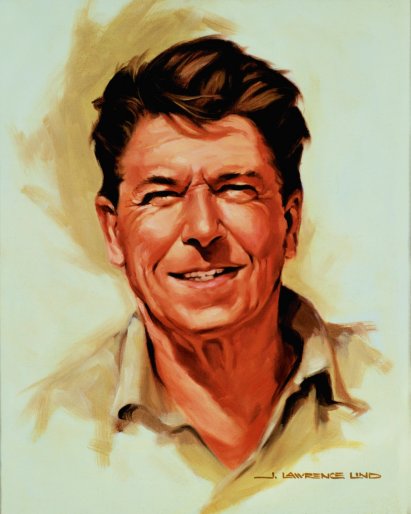
America’s anointment as the world’s political messiah did not end when demobilized troops returned from Europe in 1919. It did not end with America’s opposition to the Treaty of Versailles, nor with America’s refusal to join the League of Nations. The cumulative product of generations of reflection, experience, and anticipation, the American identity reached too deep and far to have been uprooted in a moment of supposed renunciation. Transcending party politics and most ideological boundaries, nearly all of the language of universality and emancipation, of the “city on a hill†and the world’s rebirth, of light and dark, Messiah and Armageddon, reverberates down to the present moment. Like Woodrow Wilson before them, few modern presidents have been able to resist the allure of America’s global redemptive consciousness. In the 1940s, Franklin Roosevelt planned for a future refounded on four freedoms, freedoms that would prevail “everywhere in the world.†In the fourth of these universal freedoms, freedom from fear, he anticipated a day when “no nation will be in a position to commit and act of physical aggression against any neighbor – anywhere in the world.†In countless speeches from the 1960s through the 1980s, moreover, Ronald Reagan reached back to the earliest metaphors of America’s divine destiny†to reaffirm the nation’s special calling as a “city on a hill.†Combining the Puritan errand with the Enlightenment dream of earthly regeneration, he also embraced Tom Pain’s longing to “begin the world over again.†And on September 11, 2002, George W. Bush, speaking with the colossus of the Statue of Liberty behind him, called America the “hope of all mankind†and appropriated the world of John 1:5 as if they described not just the Incarnation of Christ but the mission of the United States: “And the light shines in the darkness; and the darkness will not overcome it.†To one degree or another and with varying motives and consequences, each of these men continued to speak of the United States as if it were the Salvator Mundi, following a pattern of thought that has endured for more than four centuries.
 Old Life
That would have been an interesting class to attend. As I see it, this redemptive conscience of American politics has undermined our ability to achieve effective governance. The Constitution is the bright exception, because it didn’t call for redemptive action or programming to deal with the human propensity to tyranny, instead it acknowledged tyranny and sought to contain it effectively through sensible laws, division of governmental powers, and maintaining the rights of its citizens. Somewhere along the way the metrics of a successful government came to be quantified in terms of positive change and the ability to right all wrongs, not in our ability to effectively administrate our Constitutional ideals. The long standing notion of America as redeemer of all global and domestic ills is in my opinion the seed of our undoing. The onslaught of time will not be kind to our massively inefficient social programs or our ever increasing over-extension in international affairs.
LikeLike
It’s also not too far a leap from Ronnie’s “City on a Hill†to Nancy’s “Just Say No.†Both seem to require a sunny outlook on human ability, one social and the other individual.
Can you tell I’m a child of the 80s?
LikeLike
The “just say no” commercials were pretty rad (my favorite 80’s slang term – and yes I am still known to use it from time to time) . A definite high point of the 80’s.
LikeLike
TMI alert: I had a girlfriend whose folks were Ronnie-Presbyterians. In her rebellion, she sported a “Just Say Mao†pin (pins are another rad-80s artifact). Of course, I appreciated the contrarian sarcasm, but for theological instead of political reasons. Were I a wear-it-on-your-sleeve type I might be more inclined to don a “Yes, I’d Vote For a Mormon—Why Do You Ask?†pin.
LikeLike
thanks for the above cool entry.
LikeLike