
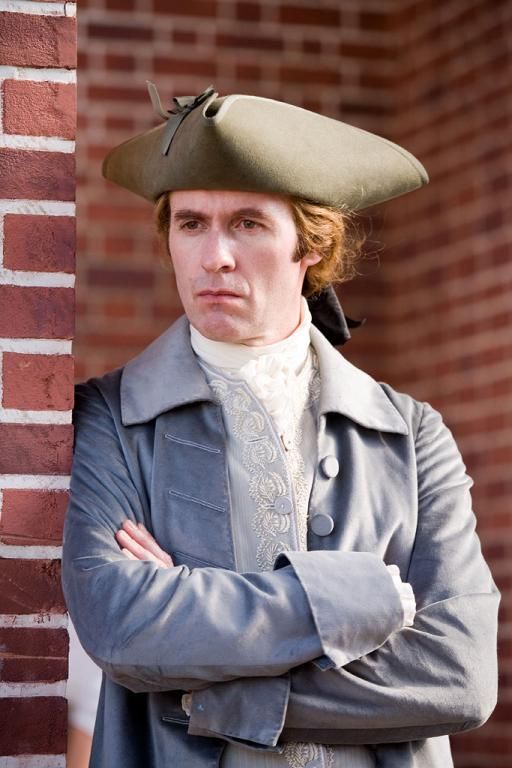
I did a little digging through old posts about Independence Day and found something that contrasts significantly with Bret Stephen’s appreciation of the Declaration of Independence. (Jefferson had his problems, but Lincoln does not make the USA holy.)
Bonus content: this is H. L. Mencken on Jefferson:
[Jefferson] was less the foe of the Federalists than of government in general. He believed that it tended inevitably to become corrupt — that it was the common enemy of all well-disposed, industrious and decent men. The less there was of it, the better he liked it, and the more he trusted it. Well, that was a century ago, and wild doctrines from the barricades were still in the air. Government has now gone far beyond anything dreamed of it in Jefferson’s day. It has taken on a vast mass of new duties and responsibilities; it has spread out its powers until they penetrate to every act of the citizen, however secret; it has begun to throw around its operations the high dignity and impeccability of a state religion; its agents become a separate and superior caste, with authority to bind and loose, and their thumbs in every pot. But it still remains, as it was in the beginning, the common enemy of all well-disposed, industrious and decent men. (Mencken, Prejudices: Fourth, Fifth, and Sixth Series, 448-49)
It could be that the Declaration was less about an idea or a proposition than the excesses of government. Perhaps it was both. But if you stress the idea over the nature and extent of government power, you may well wind up with “follow the science” or “trans rights are human rights.”
 Old Life