Zach Hunt has read Calvin and he is disgusted. Here’s part of what he has to say to Calvin himself:
[Quotations from Calvin on predestination and human wickedness] are, as you demonstrate so well, the logical conclusions of your theology of divine sovereignty and, therefore, at the very heart of what you believe about God. Worse, this isn’t a case of you overstating without thinking through the conclusions. You’re clear that this sort of God who ordains genocide, murder, rape, children abuse, and every other conceivable horrendous act is the God you worship. . . .
The bigger issue I have, John, is that you have a tendency (cause I’ll be the first to admit they’re not all like this) to create incredibly arrogant and sometimes hateful followers who are just as cold, calculating, and callous in their theology and selective in their use of scripture as you are. Just like you, too many of your prominent followers today denounce their critics as heretics while praising God for a whole host of evil things that happen in the world from earthquakes and tornadoes to the marginalization, oppression, and destruction of people made in the image of God.
John, I don’t know how to say it any other way – you’ve got a bad habit of making disciples that aren’t very christlike in their love, mercy, compassion, and grace towards others.
This may or may not be a fair reading of Calvin, but it does do justice to those parts that are hard to square with modern notions about life, liberty, and the pursuit of happiness. And yet Americans continue to think that Calvinism bears some special and positive relationship to a political order committed to freedom, equality, and tolerance. In most narratives of American origins, the lines between John Winthrop’s Massachusetts and George Washington’s Philadelphia are smooth, straight, and easy to follow.
Could it be that Americans need to take a page from the Turks who seem to know that the caliph Suleyman the Great was not a forerunner of Ataturk? Consider, for instance, what ??? had to say about the current Turkish television sensation, “Magnificent Century”? Here is an interesting bit from Elif Batuman’s Feb. 17, 2014 piece on the series, “Ottomania: A Hit TV Show Reimagines Turkey’s Imperial Past.”
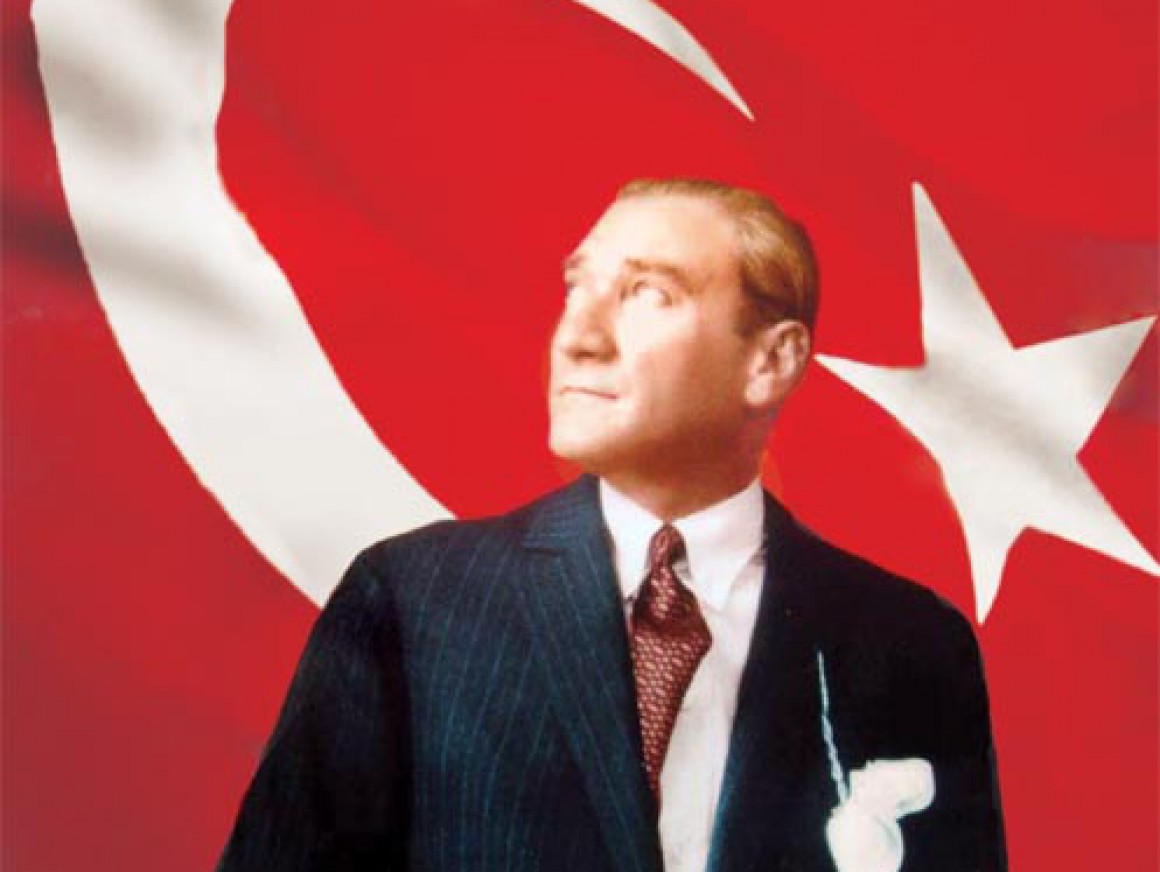
The debate over “Magnificent Century” touches on one of the key issues in Turkish politics: the question of national identity. Who were the Ottomans – enlightened cosmopolitans or decadent sociopaths? Who was Suleyman? Who are the Turks? For the first eighty years of the republic, national identity was defined largely by the figure of Kemal Ataturk, with his tailored suits, his commitment to scientific positivism and ballroom dancing, his devotion to an adopted daughter who became Turkey’s first female fighter pilot, and his emphatic rejection of all things Ottoman. Ataturk’s picture is on every denomination of Turkish currency, and hangs on the wall of every public building. It is a crime to insult his memory. . . .
The Ottoman revival has its roots in the Cold War, when the main political polarity in Turkey wasn’t Islamist versus secularist but pro-Communist versus anti-Communist. In Turkey, a NATO member and a U.S ally, widespread internal violence between leftist and rightist groups culminated in a military coup, in 1980. The new government addressed the threat of leftism by opening the Turkish market to global competition, and by promoting Islam as an ideological alternative to Communism. One result of these measure was the rise of a new class of observant Muslim businessmen – entrepreneurs who described themselves as “Islamic Calvinists,” characterized Muhammad as a merchant, and cited the Koran as an authority on limiting economic intervention by the government. Where Kemalism had its basis in economic isolationism and cultural Westernization, these businessmen wanted just the opposite: Western-style capitalism and a Turkish culture. In the Ottomans, they found the ready-made idea of a prosperous Muslim elite, trading on an equal footing with Europe but preferring halvah to profiteroles.
In some ways Turkish developments parable simultaneous U.S. history. During the Cold War, especially before 1965 when race, sex, gender, and war divided Americans, Calvinism and the Reformation became a bus stop on the modern ride from the Dark Ages to Enlightenment and the United States’ new order for the ages. In other words, religious roots became useful to both the Turks and Americans to justify national involvements. You can even compare the Religious Right to the Islamo-Calvinists – Americans who refashioned their religious and national heritages to concoct a national identity that made secular humanism illegitimate.
But unlike Turkey where the contrast between republican progress and religious past was always stark under Ataturk’s unruly eyebrows, in the United States the tension between the Puritans and the Founders was glossed or ignored. Americans, from Julia Ward Howe and Perry Miller to Rick Santorum, have rarely if ever been willing to acknowledge that Winthrop’s communitarian, religiously demanding, and exclusive Massachusetts was not what Ben Franklin, James Madison or even John Witherspoon had in mind for the United States (whether confederated or federated).
That dishonesty may be responsible for the secularist and atheistical reaction against the faith-based exceptionalism of the last four decades. It doesn’t make it pleasant or civil, but when you constantly hear about America’s Christian origins as a later iteration of the Puritans errand into the wilderness, you may want to push back.
At the very least, this dishonesty helps to explain why an HBO television series on Massachusetts Bay’s pastors’ wives will not becoming to Netflix soon. Not even the producers of Christian sentimental entertainment could turn those godly women into a series, say “Sectarians in the City,” where the distaff side of the Gospel Coalition could feel good about their small group Bible studies, enjoyment of sex, and cosmetic choices. Although, if someone could provoke the female allies to get their hubbies to read Anne Bradstreet, maybe the New Calvinists would stop being so d—d nice.
 Old Life