Here is what may be the turning point in John Frame’s development:
PEF (Princeton Evangelical Fellowship) was dispensational in its viewpoint, as Barnhouse was, but Gerstner thought dispensationalism was an awful heresy. I never accepted the dispensational system, but neither could I accept Gerstner’s harshly negative verdict about it. My friends at PEF were godly people who loved Jesus and the Word. We prayed together every day and visited dorm rooms to bring the gospel to fellow students. Princeton was a spiritual battleground, and the PEF folks were my fellow soldiers. Struggling together for Jesus against opposition tends to magnify the unity of believers and to decrease the importance of disagreement. Surely Jesus intended for his people to wage this battle together, not separated into different denominations and theological factions. My experience with PEF (and earlier with Graham) prevented me from ever being anti-evangelical, as are many of my Reformed friends. At Princeton, I became an ecumenist.
I majored in philosophy and also took courses in religion, literature, and history. The religion courses, together with the denominational campus ministries, gave me my first introduction to theological liberalism. Although I had toyed with similar ideas during my high school years, I sharply rebelled against liberalism in college. Princeton liberalism was casual religion: no authoritative Bible, no passion for souls, no desire for holiness, no vitality. Indeed, the Christ of Scripture simply wasn’t there. Later, I read J. Gresham Machen’s Christianity and Liberalism, which argued that liberalism was an entirely different religion from Christianity, and I found it entirely persuasive. Although liberalism has changed its face in the years since, I still see it as the opposite of the biblical gospel.
The problem for Frame and others in the conservative Presbyterian world that Machen hatched was that some, like Frame, stopped reading Machen after 1923. Between then and the founding of the OPC in 1936, Machen’s opposition to liberalism also included battles with evangelicals who tolerated liberalism and a recognition of the need for church discipline with Presbyterianism being the best (and most biblical means) for maintaining and regulating the gospel ministry. Whether he got those tussles right is one thing. But somehow thinking that Presbyterian controversy was merely about liberalism is to do history without being licensed to do historical science.
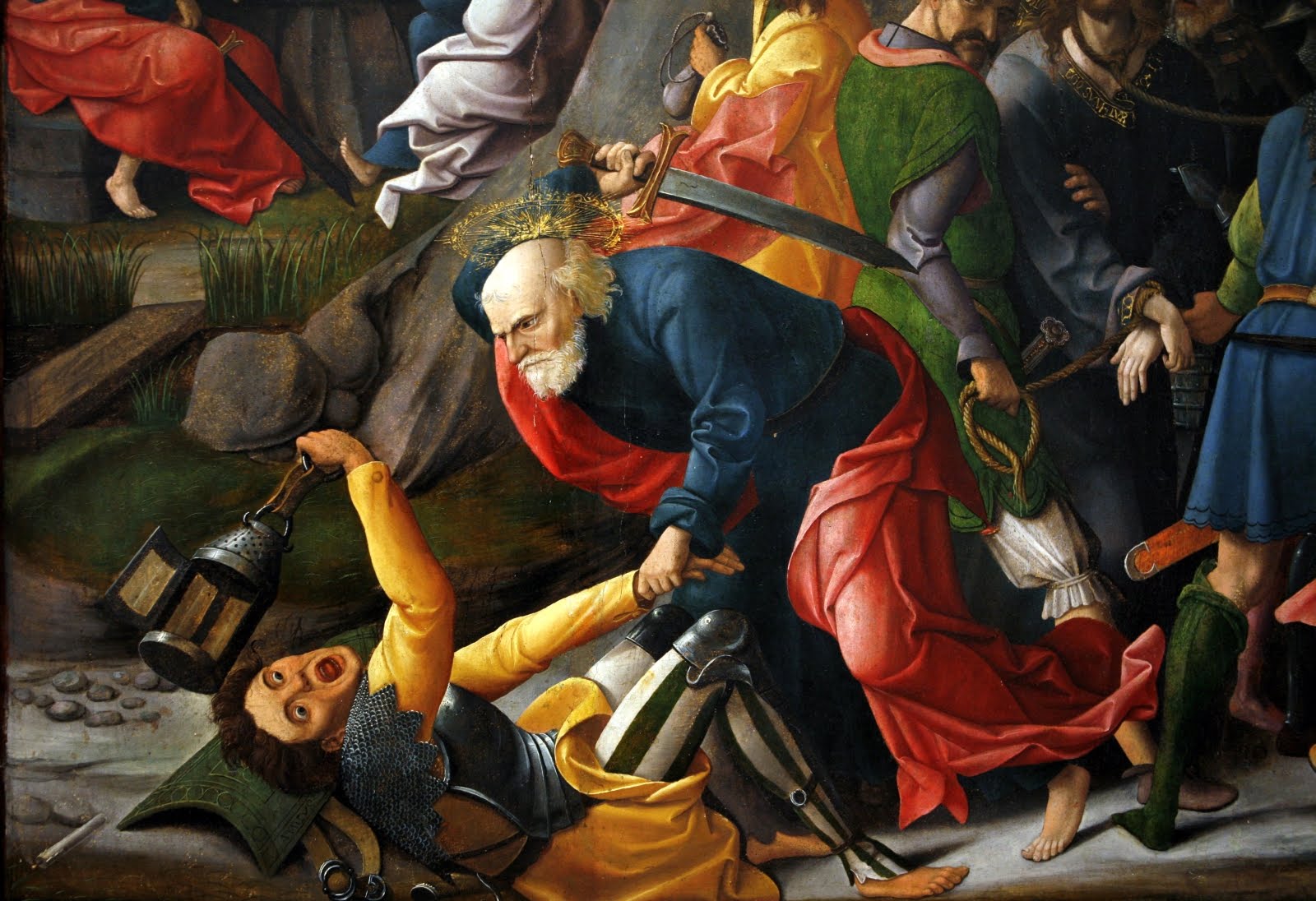
What John Frame might have understood had he kept reading Machen is that — to take liberties with Bob Dylan — you’re gonna fight somebody. He’s battled with Machen’s Warrior Children who in turn have battle with Frame’s Evangelical Warrior Children and both of those groups have sometimes contended with Liberalism’s Warrior Children.
So many fronts, so little ammunition.
 Old Life