
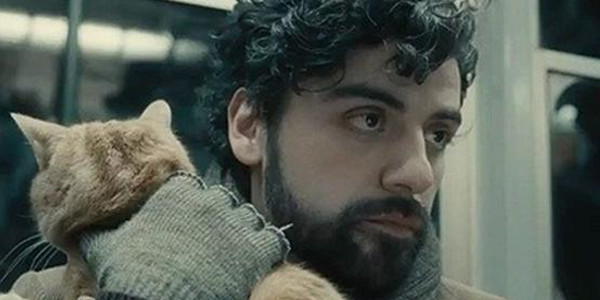
While the missus is still away, I watched a documentary over the weekend about folk music in Greenwich Village, Greenwich Village: Music that Defined a Generation. It was largely celebratory. Only scant attention to drugs, the cost of success and selling out, envy of Bob Dylan. And then there was politics. I had really hoped they would not go there but they did: folk music changed everything. The last segment included stars talking about how music changed the world. One example was how Harry Chapin rallied musicians to sing together (of all things) and so raise funds for worthy causes. No mention of how those funds were administered. No mention directly of folk music’s inspiration of either Martin Luther King or Malcolm X. And no images of Rev. King with ear buds during his marches while he listened to Don McLean or Peter, Paul, and Mary (and why did Mary come up last in the list?) and evaded barking dogs.
I’d have expected New Yorkers with New York sensibilities to be a little less self-congratulatory. But then there are the Yankees and their fans.
But amazingly, for a movie made after — underscore after — A Mighty Wind and Inside Llewyn Davis (okay, Greenwich Village and Inside LD came out the same year), how can you ever play folk music straight? Don’t you need a measure of ironic distance, a little self-awareness that you are the one touting yourself?
It struck me that folk musicians were for the left what evangelicalism is to Christianity.
And then comes this from another boomer New Yorker:
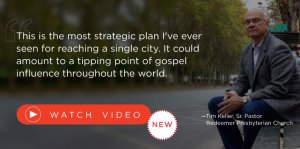
Forget irony. Whatever happened to the fall that follows pride?
 Old Life