
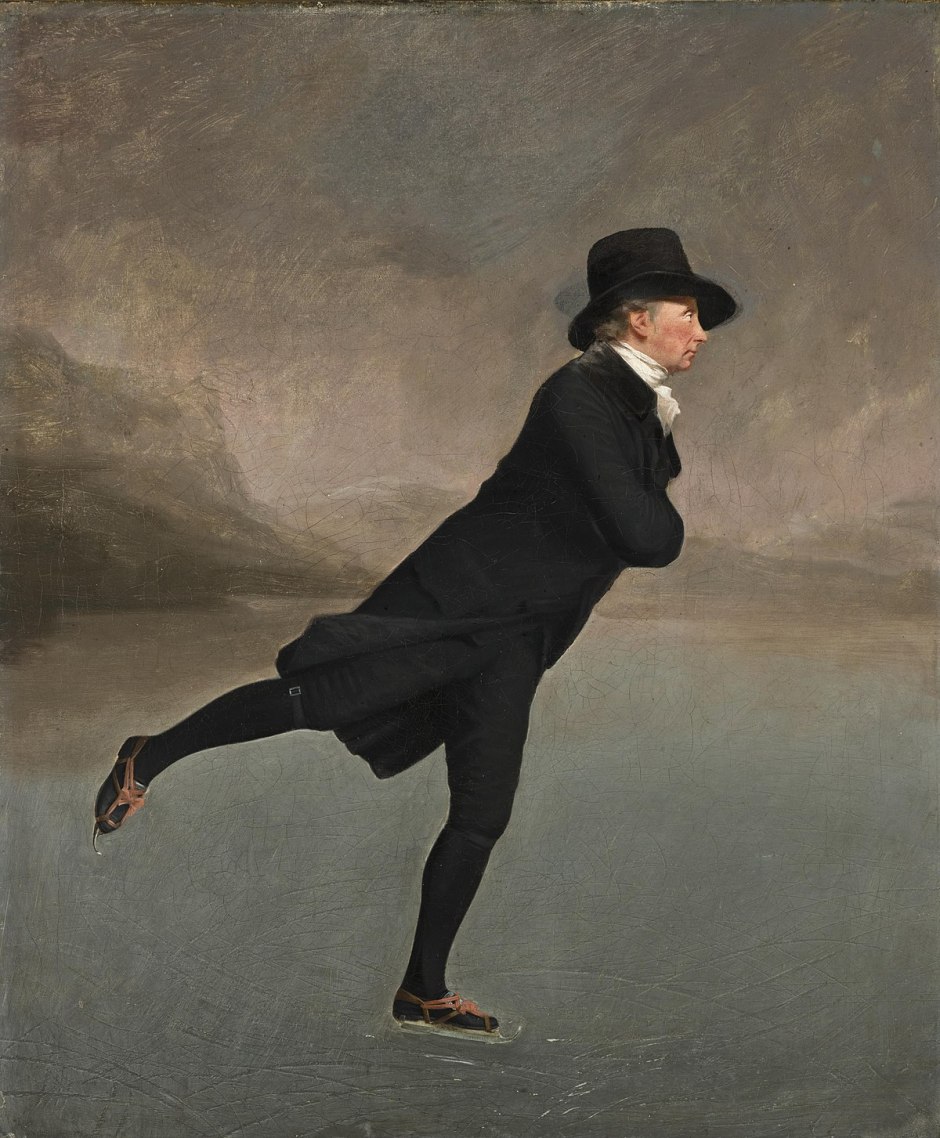
One of the tendencies in the critics of Kevin DeYoung’s defense of John Witherspoon and the American revision of the Westminster Confession (not mentioned here) is a need to base contemporary political reflection and action – even – on past Protestant models. The critics of DeYoung did this by reference to the meaning of the Westminster Confession. Others at American Reformer have also argued for a recovery of early modern Protestant politics. The advantage of this argument is that it paints Witherspoon, American Presbyterians, and always 2k advocates in the corner of departing from Reformed orthodoxy.
But what if you don’t need pre-Lockean understandings of politics and the good society to have a Protestant voice in liberal political structures? What if today’s Protestants who want to advocate for Christian norms looked to Presbyterians who both accepted the terms of liberal democracy and free markets and advocated Protestant-friendly positions on matters of political debate? What if you could be a kind of Christian nationalist without needing to read all of the pre- or early-modern Protestant theologians on the divine mandate for the Christian magistrate and a godly commonwealth?
That is what happened in the 19th century in England, Scotland, Ireland, Canada, and the United States. Presbyterianism began in 16th century England and Scotland as a force of opposition to rule by bishops and continued as a form of checks upon elites in both government and the church, Presbyterians saw overcoming injustices of the past with improvements that led to a fairer future. Such a disposition almost always places Presbyterians on the side of freedom and limited government whether in the form of freedom of conscience or ecclesiastical autonomy from meddling magistrates. This cast of mind nurtured in Presbyterians at least sympathy if not outright support for political and economic reforms that reduced the authority and wealth of the few and expanded society’s benefits as broadly as possible. Such an outlook, as in the case of the United States, could lend support for small government and reliance on voluntary associations for improving social conditions. But even where the state’s footprint in managing the forces of modernization was larger than the American form of government, Presbyterians generally supported those “good” governments whose rule extended the blessings of modern society as widely as possible.
For this reason, increase in suffrage, more extensive representation in government, free trade and better distribution of goods for more affordable prices, higher rates of literacy and advanced learning, and greater suppression of vices, not to mention the separation of church and state were all policies on Presbyterians’ horizon on the phase of their particular nation’s evolution.
Among the proponents of these views were Charles Hodge in the United States, William McKerrow in England, Thomas Chalmers in Scotland, Henry Cooke in Ireland, George Monro Grant in Canada, and James McCosh – can you believe it – in Scotland, Ireland, and the United States. These Presbyterians may have been on different places on the page of Reformed theology and Presbyterian worship, but their outlook on government and society stemmed from their understanding of Presbyterianism in its modern, liberal, political version. Advocates of the spirituality of the church or its 2k nomenclature may take issue with these Presbyterians, but they show you don’t need to turn the clock back before 1789 to have Presbyterian politics.
It goes without saying that the constellation of political and economic positions adopted by these Presbyterians was a long way from the godly commonwealth of the Scottish Reformation or England’s Second Reformation. But after the Glorious Revolution (1689), Presbyterians learned by experience and reflection that the same political arrangements that lightened the church’s burden from an overreaching magistrate were also among the tools by which modern nations could fashion a generically Christian society.
 Old Life